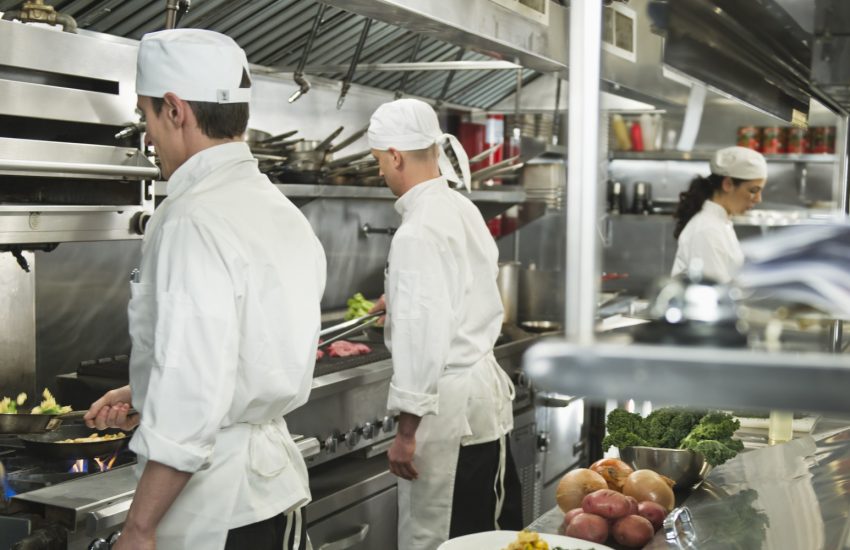
The chef is a cornerstone of the culinary world, blending artistry, science, and management to create unforgettable dining experiences. More than just a cook, a chef embodies leadership, innovation, and deep knowledge of food and culture. In today’s globalized and highly competitive culinary environment, the role of a chef extends far beyond the kitchen, encompassing menu design, nutrition, sustainability, and culinary entrepreneurship.
Understanding the Profession of a Chef
A chef is a professional skilled in all aspects of food preparation, kitchen management, and culinary presentation. The profession has evolved significantly over the years:
- Historical Origins: Chefs have existed for centuries, with their roots in royal kitchens and aristocratic households. French cuisine formalized the modern concept of a professional chef with the introduction of structured kitchens and culinary hierarchy.
- Contemporary Roles: Modern chefs work in diverse environments including fine dining restaurants, hotels, catering services, culinary schools, and media platforms. They may also specialize in niche areas such as pastry, molecular gastronomy, or plant-based cuisine.
A chef’s responsibilities combine technical cooking skills, creative menu planning, and operational leadership to ensure quality and consistency in every dish.
Key Skills Required for Chefs
Becoming a successful chef demands a combination of technical expertise, creativity, and interpersonal skills. Critical skills include:
Culinary Techniques and Expertise
- Knife Skills: Precision cutting, dicing, and filleting are foundational for both efficiency and presentation.
- Cooking Methods: Mastery of roasting, braising, sautéing, sous-vide, and grilling enables chefs to manipulate flavors and textures effectively.
- Flavor Profiling: Understanding seasoning, spice balance, and ingredient interaction is crucial for creating distinctive dishes.
Leadership and Kitchen Management
- Team Coordination: Chefs lead a brigade, delegating tasks while maintaining quality control.
- Inventory Management: Effective procurement, storage, and usage of ingredients reduce waste and optimize costs.
- Time Management: High-pressure environments demand precise timing to ensure multiple dishes are prepared simultaneously without compromising quality.
Creativity and Innovation
- Menu Design: Innovative chefs curate menus that reflect seasonal ingredients, dietary trends, and cultural influences.
- Culinary Experimentation: Modern chefs often explore fusion cuisine, molecular gastronomy, and plant-based alternatives to expand the culinary landscape.
- Presentation Skills: Plating and visual storytelling enhance the dining experience, turning food into an art form.
Communication and Customer Engagement
- Client Interaction: Chefs frequently consult with clients, diners, and management to customize experiences.
- Training and Mentorship: Experienced chefs teach junior staff, sharing techniques and instilling professional standards.
- Culinary Storytelling: Engaging diners through the narrative of a dish adds value and enriches the dining experience.
The Evolution of the Chef’s Role
The role of the chef has expanded from kitchen mastery to a multifaceted professional identity:
From Traditional Kitchens to Modern Culinary Spaces
- Historical Hierarchies: Classical kitchens used the brigade system, with roles like sous-chef, saucier, and pâtissier.
- Modern Flexibility: Today’s chefs often rotate across stations, requiring versatile skill sets and adaptability to new technologies.
Media and Public Recognition
The rise of culinary television, online cooking platforms, and social media has elevated chefs to public figures. Celebrity chefs influence food trends, culinary tourism, and consumer behavior while also inspiring future professionals.
Focus on Sustainability and Ethical Practices
Chefs are increasingly advocates for sustainable practices:
- Locally Sourced Ingredients: Using regional produce reduces carbon footprints and supports local economies.
- Plant-Based and Ethical Proteins: Incorporating plant-forward menus and responsibly sourced proteins responds to environmental and health concerns.
- Waste Reduction: Techniques like nose-to-tail cooking and composting demonstrate the chef’s role in minimizing kitchen waste.
Specializations Within the Culinary Profession
Chefs can pursue specialized pathways depending on interest, expertise, and career goals:
- Pastry Chef: Focuses on desserts, baked goods, and confections, combining chemistry and artistic design.
- Sous-Chef: Second-in-command, overseeing daily kitchen operations and supporting the head chef.
- Executive Chef: Strategic leader responsible for menu planning, budgeting, staff management, and brand identity.
- Culinary Educator: Teaches techniques, nutrition, and gastronomy at culinary schools or workshops.
- Private or Personal Chef: Provides personalized culinary services for individuals, families, or small groups.
Each specialization demands unique knowledge, but all require foundational culinary competence and leadership.
Education and Training for Chefs
While natural talent is valuable, formal education and hands-on training are critical in professional culinary careers:
Culinary Schools and Certifications
- Accredited culinary programs offer structured learning in cooking techniques, food safety, and nutrition.
- Certifications such as Certified Executive Chef (CEC) or Certified Master Chef (CMC) demonstrate professional competence and commitment to excellence.
Apprenticeships and On-the-Job Training
- Apprenticeships provide practical experience under the mentorship of experienced chefs.
- Continuous exposure to diverse cuisines, kitchen environments, and high-pressure service prepares chefs for real-world challenges.
Lifelong Learning and Innovation
- Chefs must remain current with evolving food trends, emerging technologies, and sustainability practices.
- Workshops, culinary competitions, and international experiences foster creativity and skill enhancement.
Challenges Faced by Chefs
The profession is demanding and comes with unique challenges:
- Physical and Mental Demands: Long hours, high stress, and fast-paced environments can impact health and work-life balance.
- Economic Pressures: Balancing cost management with quality and innovation is a constant struggle.
- Cultural and Dietary Diversity: Meeting varied dietary restrictions, allergies, and cultural preferences requires adaptability and knowledge.
Despite these challenges, passionate chefs find fulfillment in creativity, leadership, and the joy of crafting exceptional meals.
The Future of the Chef Profession
The culinary profession is evolving rapidly due to technological advancements, consumer awareness, and global trends:
Technology Integration
- Smart Kitchens: IoT-enabled appliances and AI-driven inventory systems improve efficiency and consistency.
- Virtual Culinary Platforms: Online cooking classes, virtual restaurants, and digital menu innovation expand reach and revenue.
Health and Nutrition Focus
- Chefs are incorporating functional foods, plant-based alternatives, and nutritionally balanced menus to meet health-conscious consumer demand.
Global Fusion and Cultural Exploration
- Chefs are blending culinary traditions, exploring regional techniques, and embracing cross-cultural flavors to offer unique dining experiences.
FAQs About the Chef Profession
1. What distinguishes a professional chef from a home cook?
A professional chef combines technical skill, management ability, and creativity to consistently produce high-quality food in commercial settings while managing a team and operational responsibilities.
2. How long does it take to become a professional chef?
Formal culinary education can take 1–4 years, supplemented by apprenticeships or on-the-job training. Mastery of specialized skills and leadership may require additional years of experience.
3. What are the most in-demand culinary specializations today?
Pastry, plant-based cuisine, fusion gastronomy, and health-focused culinary expertise are highly sought after, reflecting evolving consumer trends.
4. How do chefs incorporate sustainability into their work?
Chefs prioritize locally sourced ingredients, reduce kitchen waste, implement plant-forward menus, and ensure ethical sourcing of proteins.
5. Can chefs achieve career growth outside traditional restaurants?
Yes. Chefs can work in media, culinary education, private service, product development, and consultancy, expanding their professional impact.
6. What role does creativity play in a chef’s daily work?
Creativity is central to menu design, presentation, flavor innovation, and customer engagement, transforming ordinary meals into memorable experiences.
7. How is technology changing the chef’s responsibilities?
Technology streamlines inventory management, automates repetitive tasks, enables data-driven menu planning, and allows chefs to engage audiences through digital platforms.
Conclusion
Being a chef today involves far more than cooking; it is a dynamic blend of culinary mastery, leadership, innovation, and cultural awareness. From managing high-pressure kitchens to embracing sustainability, technology, and global culinary trends, chefs shape the way people experience food. The profession demands dedication, skill, and creativity, but it offers unmatched opportunities to influence gastronomy, culture, and the broader food ecosystem. A chef’s journey is one of continuous learning, artistic expression, and the pursuit of excellence that transforms meals into unforgettable experiences.
You May Like