

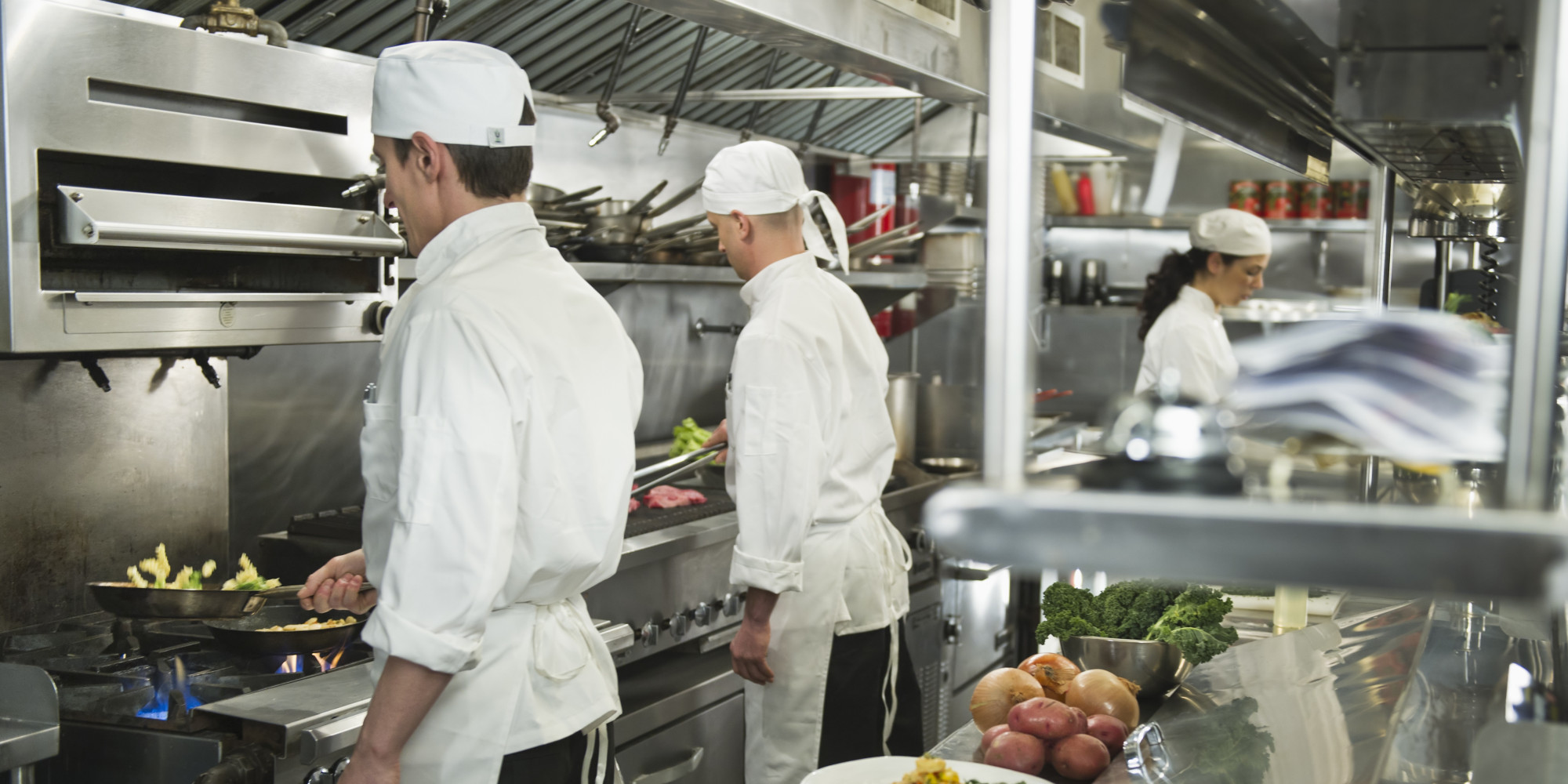
A chef is far more than someone who cooks meals. A chef is a trained professional who blends technical skill, creativity, and leadership to transform raw ingredients into memorable dining experiences. From fine-dining restaurants to bustling hotel kitchens, chefs play a central role in shaping how people experience food.
Who Is a Chef?
A chef is a culinary expert responsible for menu creation, food preparation, kitchen management, and quality control. Unlike home cooks, chefs operate in professional environments where consistency, timing, and safety are non-negotiable.
Key responsibilities include:
- Designing and testing recipes
- Supervising kitchen staff
- Managing inventory and food costs
- Ensuring hygiene and food safety standards
- Delivering consistent flavor and presentation
Types of Chefs and Their Roles
Professional kitchens follow a hierarchy, with each chef handling specific duties.
Executive Chef
The executive chef oversees the entire kitchen operation. Their focus is on leadership rather than daily cooking.
Main duties:
- Menu planning and pricing
- Hiring and training staff
- Budgeting and supplier coordination
Sous Chef
The sous chef is second-in-command and manages daily kitchen activities.
Responsibilities include:
- Supervising cooks
- Maintaining workflow during service
- Ensuring food quality and consistency
Line Chef
Line chefs specialize in specific stations, such as grilling, sautéing, or sauces.
Common stations:
- Grill
- Fry
- Sauce
- Pastry
Pastry Chef
A pastry chef focuses on desserts, baked goods, and sweets.
Specialties often include:
- Cakes and pastries
- Chocolate work
- Bread and dough preparation
Essential Skills Every Chef Needs
Being a successful chef requires more than passion for food.
Technical Skills
- Knife mastery
- Cooking methods (roasting, braising, grilling)
- Plating and presentation
Soft Skills
- Time management in high-pressure environments
- Team leadership and communication
- Attention to detail
Creativity and Adaptability
Chefs must constantly adapt to:
- Seasonal ingredients
- Dietary preferences
- Changing food trends
Education and Training Pathways
While some chefs learn through experience, many follow structured training.
Common paths include:
- Culinary school diplomas or degrees
- Apprenticeships in professional kitchens
- On-the-job training under experienced chefs
Certifications in food safety and kitchen management are often essential for career advancement.
Work Environment and Lifestyle
The life of a chef is demanding but rewarding.
Typical characteristics:
- Long hours, including weekends and holidays
- Fast-paced, physically demanding work
- High-pressure service periods
Despite the challenges, many chefs find fulfillment in creativity, teamwork, and guest satisfaction.
Career Growth Opportunities
With experience, chefs can branch into various career paths.
Popular options include:
- Restaurant ownership
- Culinary consulting
- Food media and content creation
- Teaching and culinary education
Some chefs also specialize in niche areas like plant-based cuisine, nutrition-focused cooking, or international fusion food.
Why Chefs Matter in Society
Chefs influence:
- Food culture and trends
- Health and nutrition awareness
- Sustainable and ethical food practices
Through their work, chefs help preserve traditions while pushing culinary boundaries forward.
Frequently Asked Questions (FAQs)
What is the difference between a chef and a cook?
A chef is professionally trained and often manages kitchen operations, while a cook typically focuses on food preparation under supervision.
Do chefs need formal education?
Formal education is helpful but not mandatory. Many chefs succeed through apprenticeships and hands-on experience.
How long does it take to become a chef?
It can take anywhere from 2 to 10 years, depending on training, experience, and career goals.
What skills are most important for a chef?
Knife skills, time management, leadership, creativity, and attention to detail are essential.
Is being a chef a stressful job?
Yes, it can be stressful due to long hours and high expectations, especially during peak service times.
Can chefs work outside restaurants?
Yes, chefs work in hotels, catering companies, cruise ships, schools, hospitals, and private households.
What qualities make a chef successful?
Passion for food, discipline, adaptability, strong communication, and a commitment to continuous learning make a chef thrive.
