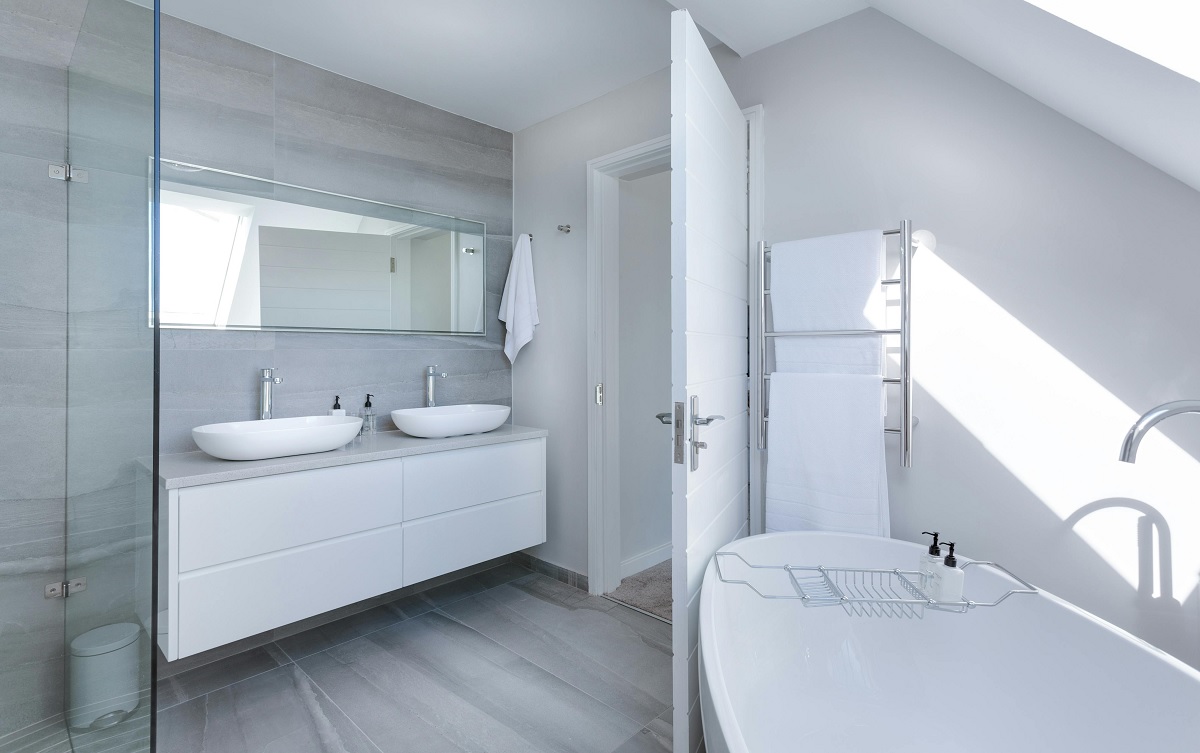
The importance of accessibility in the shower cannot be overstated, particularly for those with mobility issues. As we age or face physical challenges, easy access to showering facilities becomes crucial. In this respect, walk-in shower baths have emerged as a game-changer, offering a seamless blend of convenience, safety, and luxury.
The rise of walk-in shower baths
Walk-in shower baths, as the name implies, are a unique amalgamation of a shower and bath, designed to facilitate easy access. Unlike traditional baths, there is no need to step over a high edge to enter, reducing the risk of slips and falls. They come equipped with doors that seal watertight, allowing the user to walk in, close the door, and enjoy a relaxing bath or shower. For those with mobility issues or the elderly, these baths provide a safe and comfortable bathing solution.
The safety factor
Safety in the bathroom is a significant concern, particularly for those with mobility restrictions. The slick surfaces and the need for balance can make bathrooms hazardous places. Walk-in shower baths have been designed with safety as a primary consideration. They feature built-in handrails, non-slip flooring, and contoured seating. This ensures that users can bath or shower independently and safely, without the fear of slipping or falling.
Combine convenience and luxury
Beyond safety and accessibility, walk-in shower baths also offer convenience and a touch of luxury. The ease of access means that bathing becomes a less daunting task, and more of a pleasurable experience. Many models come with features like hydrotherapy jets, providing a spa-like experience in the comfort of your own home. The luxury of a relaxing soak or a refreshing shower is no longer a challenge but an enjoyable daily ritual.
Current trends in bathroom accessibility
In the realm of bathroom design, accessibility has become a prevailing trend. Architects and designers are increasingly focusing on creating bathrooms that are not only aesthetically pleasing but also cater to the needs of all users. This includes the installation of walk-in shower baths, wider doorways, and other modifications to ensure ease of access. Bathroom designs are becoming more inclusive, recognizing that everyone deserves to enjoy a safe and comfortable bathing experience.
Avoid common mistakes
When considering a bathroom renovation for accessibility, it’s essential to avoid common mistakes. One such mistake is not involving the users in the planning process. The bathroom should cater to their specific needs and preferences, so their input is invaluable. Another common error is not considering future needs. While a solution may work for the user now, their needs might change over time. It’s advisable to choose adaptable designs, like walk-in shower baths, that can cater to evolving needs.
You May Like