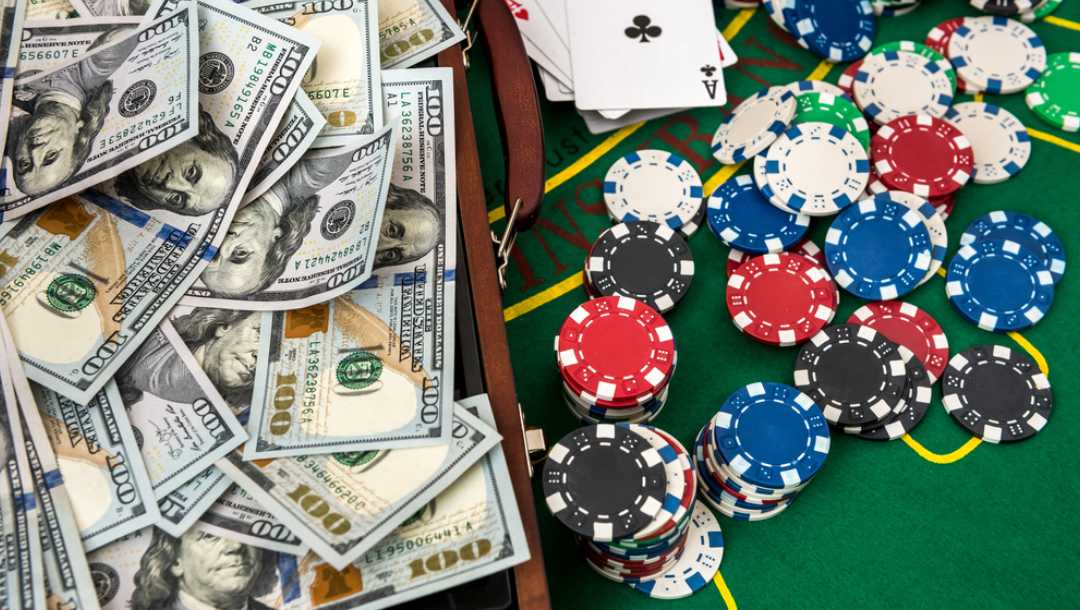
Gambling is not just about money—it is deeply rooted in human psychology and decision-making behavior. From the thrill of uncertainty to the hope of a big win, gambling activates powerful mental and emotional processes that influence why people take risks, sometimes even against their better judgment.
Understanding the psychology behind gambling helps explain why it can feel exciting, addictive, and difficult to stop for some individuals.
Why Risk Feels Rewarding to the Brain
At the core of gambling behavior lies the brain’s reward system. When a person gambles, the brain releases dopamine, a neurotransmitter associated with pleasure, motivation, and learning.
Key psychological drivers include:
- Anticipation of reward, not just the reward itself
- Emotional highs during wins and near-misses
- The brain learning to associate gambling with excitement
Interestingly, dopamine spikes can occur even when a person loses, reinforcing the urge to keep playing.
The Illusion of Control
One of the most powerful psychological factors in gambling is the illusion of control. This occurs when individuals believe they can influence outcomes that are actually determined by chance.
Common examples include:
- Believing lucky numbers increase winning chances
- Thinking skill or strategy controls random outcomes
- Feeling more confident after a few wins
This false sense of control can lead players to take greater risks, often increasing financial losses.
Near-Miss Effect and Its Impact
A near-miss happens when a player comes close to winning but ultimately loses. Psychologically, near-misses are especially powerful.
Why near-misses are dangerous:
- They activate reward pathways similar to actual wins
- They increase motivation to continue gambling
- They create the belief that a win is “almost guaranteed”
This mechanism is deliberately used in many gambling games to encourage prolonged play.
Emotional States and Risk-Taking Behavior
Emotions play a significant role in gambling decisions. People are more likely to gamble impulsively when experiencing intense emotional states.
High-risk emotional triggers include:
- Stress or anxiety
- Boredom or loneliness
- Overconfidence after winning
- Frustration after losses
This emotional cycle often leads to chasing losses, where players gamble more to recover previous losses.
Personality Traits Linked to Gambling
Certain personality traits are more commonly associated with gambling behavior and risk-taking.
These traits include:
- High impulsivity
- Sensation-seeking tendencies
- Low tolerance for delayed rewards
- Overconfidence in decision-making
While not everyone with these traits develops problems, they can increase vulnerability to excessive gambling.
Cognitive Biases That Influence Gambling
Gambling decisions are often shaped by cognitive biases, which distort rational thinking.
Common biases include:
- Gambler’s fallacy – believing past losses increase future win chances
- Confirmation bias – remembering wins more than losses
- Availability bias – overestimating wins due to memorable outcomes
These biases make gambling feel more predictable than it truly is.
When Gambling Becomes a Psychological Problem
For some individuals, gambling shifts from entertainment to compulsion. This happens when psychological reinforcement outweighs rational control.
Warning signs include:
- Loss of control over time or money spent
- Gambling to escape emotional pain
- Lying about gambling behavior
- Financial or relationship problems
Early awareness of these signs is critical for prevention and recovery.
Promoting Healthier Gambling Behavior
Understanding gambling psychology can help individuals make safer choices and reduce harm.
Helpful strategies include:
- Setting strict time and money limits
- Avoiding gambling during emotional distress
- Viewing gambling as paid entertainment, not income
- Taking regular breaks to reset decision-making
Education and self-awareness are powerful tools for responsible gambling.
Frequently Asked Questions (FAQ)
Why do people continue gambling even when they lose?
Because gambling activates dopamine-driven reward pathways, losses can still reinforce behavior through anticipation and emotional engagement.
Is gambling addiction purely a lack of self-control?
No. It involves complex brain chemistry, emotional regulation, and learned behavioral patterns.
What makes gambling more addictive than other activities?
Unpredictable rewards, near-misses, and rapid feedback loops intensify psychological engagement.
Are some people naturally more prone to gambling risks?
Yes. Traits like impulsivity, sensation-seeking, and emotional vulnerability can increase risk.
Can understanding gambling psychology help prevent addiction?
Absolutely. Awareness of cognitive biases and emotional triggers improves self-regulation.
Does winning early increase long-term gambling risk?
Yes. Early wins can create overconfidence and reinforce unrealistic expectations.
Is responsible gambling about stopping completely?
Not necessarily. It focuses on controlled, informed, and balanced participation.
You May Like