

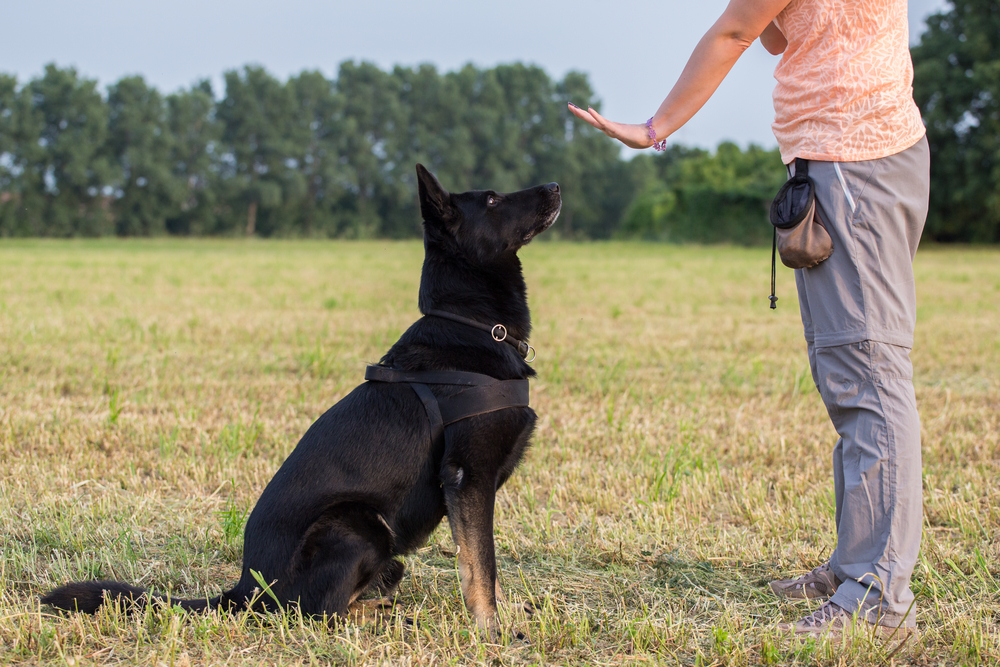
Strong socialisation is the foundation of every stable, reliable dog, whether the animal is a household companion, a working guardian, or one trained for advanced protective roles. Poor social exposure often leads to fear-based reactions, misplaced aggression, or anxiety, all of which undermine training and safety. For owners interested in family guardianship, including those considering personal protection dogs, understanding how socialisation should be structured is just as important as obedience or control work.
This article ranks six proven dog socialisation methods from the perspective of practical training outcomes rather than trends or sentiment. The ranking reflects how well each method builds confidence, adaptability, and emotional stability across a dog’s lifetime, with particular attention to dogs expected to function calmly in busy public and domestic environments.
A professional trainer from Totalk9 offers the following guidance on the subject:
“Effective socialisation isn’t about exposing a dog to everything at once. It’s about controlled, purposeful experiences that build trust, confidence, and neutrality. When done correctly, it supports all advanced training goals, including protection work. Owners looking to develop reliable working temperaments should prioritise structured exposure alongside obedience foundations, such as those taught in professional dog training programmes.
Method 6: Passive Exposure Without Interaction
Passive exposure sits at the bottom of the ranking because, while it has value, it is often misunderstood and misused. This method involves allowing a dog to observe the world from a distance without direct engagement. Examples include watching traffic from a parked car, observing people from a bench, or listening to everyday household sounds.
The benefit of passive exposure lies in desensitisation. Dogs learn that movement, noise, and unfamiliar environments do not automatically demand a reaction. For nervous or highly alert breeds, this can be a useful early-stage approach. It helps reduce overstimulation and prevents the dog from becoming overwhelmed during formative stages.
However, passive exposure alone does not teach a dog how to behave socially. Observation without engagement fails to develop decision-making skills or appropriate responses. Dogs raised exclusively with this method may remain neutral but lack confidence when interaction eventually becomes unavoidable. This limitation is particularly problematic for dogs expected to operate in real-world scenarios, where interaction cannot always be avoided or controlled.
Another weakness is owner inconsistency. Many handlers believe simply taking a dog “out and about” is enough, without monitoring emotional responses. If a dog quietly rehearses fear or frustration while passively observing, the method becomes counterproductive.
Used correctly, passive exposure should act as a supporting tool, not a standalone strategy. It works best when paired with engagement-based methods that actively shape behaviour. On its own, it produces limited long-term social resilience.
Method 5: Free-Play Dog Socialisation
Free-play socialisation is common, especially in parks, puppy classes, and informal meet-ups. It involves allowing dogs to interact freely with one another, learning social cues through play and correction. While this method can build communication skills, it ranks low due to its unpredictability and potential for negative learning.
Dogs do learn from each other, but not all lessons are desirable. Poorly socialised dogs can model inappropriate behaviours such as bullying, over-arousal, or avoidance. Without professional supervision, subtle stress signals often go unnoticed until conflict occurs. Repeated negative encounters can leave lasting impressions, particularly in sensitive or dominant dogs.
Another issue is that free-play often prioritises excitement over calm behaviour. Dogs may become conditioned to associate other dogs with high arousal, making controlled walking or neutrality difficult later. For working dogs or those expected to remain composed in public spaces, this can create long-term management challenges.
Free-play does have value when carefully controlled. Matched temperaments, clear human oversight, and limited duration improve outcomes. Puppies can benefit from brief, positive interactions that teach bite inhibition and body language awareness.
Despite these benefits, free-play should never be the core of a socialisation plan. Its reliance on chance outcomes makes it unsuitable as a primary method for dogs requiring consistent behavioural reliability.
Method 4: Environmental Socialisation
Environmental socialisation focuses on exposing dogs to varied physical settings rather than people or animals. This includes different surfaces, buildings, transport, weather conditions, and spatial challenges such as stairs or confined spaces.
This method ranks higher because it directly builds confidence and adaptability. Dogs that are comfortable navigating diverse environments are less likely to experience stress when routines change. Environmental stability is particularly important for dogs expected to accompany owners into public settings or unfamiliar locations.
Effective environmental socialisation is structured and progressive. Dogs are introduced gradually, with emphasis on calm exploration rather than forced participation. A confident handler plays a key role, reinforcing neutrality and curiosity while preventing overwhelm.
One limitation is that environmental exposure alone does not teach social behaviour. A dog may be comfortable on a busy high street yet unsure how to respond appropriately to strangers or other animals. For this reason, it must be integrated with social interaction training.
Nevertheless, environmental socialisation forms a strong backbone for all other methods. Dogs that trust their surroundings learn faster, recover from stress more quickly, and display fewer fear-based reactions. Its reliability and versatility place it firmly in the middle of the ranking.
Method 3: Handler-Led Social Exposure
Handler-led social exposure involves controlled interactions directed by the owner or trainer. Rather than allowing spontaneous engagement, the handler decides when and how the dog interacts with people, dogs, or situations.
This method ranks highly due to its clarity and structure. Dogs learn that their handler provides guidance and safety, reducing anxiety and impulsive behaviour. Interactions are brief, purposeful, and tailored to the dog’s temperament and developmental stage.
A key advantage is the ability to reinforce neutrality. Not every person or dog encountered becomes a source of excitement. Dogs learn that ignoring distractions is often the correct response, a skill essential for reliability in public spaces.
Handler-led exposure also allows immediate correction or redirection when needed, preventing rehearsal of unwanted behaviours. Over time, dogs develop emotional regulation and confidence without becoming dependent on constant interaction.
The success of this method depends heavily on handler skill. Poor timing, inconsistent expectations, or excessive control can undermine its effectiveness. However, when applied correctly, it produces dogs that are socially competent, focused, and adaptable.
This approach is especially valuable for dogs with working roles or heightened drive, as it balances social awareness with obedience and self-control.
Method 2: Structured Group Training
Structured group training provides controlled social exposure within a professional framework. Dogs work around others without direct interaction, focusing on obedience tasks while learning to remain calm and responsive.
This method ranks second because it combines environmental, social, and obedience elements in a predictable setting. Dogs learn to function amid distractions without becoming overstimulated or reactive. The presence of a professional trainer ensures appropriate pacing and intervention when necessary.
Group training builds neutrality more effectively than free-play. Dogs become accustomed to proximity without expectation of engagement, a critical skill for urban living and public access. It also teaches handlers how to manage their dogs in shared spaces.
Another benefit is consistency. Regular sessions reinforce learned behaviours and provide opportunities to address emerging issues early. Dogs gain confidence through repetition and clear expectations.
The primary limitation is accessibility. Quality group training requires experienced instructors and well-matched groups. Poorly run classes can reinforce frustration or anxiety if dogs are pushed beyond their comfort levels.
When delivered professionally, structured group training produces balanced, reliable dogs capable of remaining composed in complex environments.
Method 1: Individualised Professional Socialisation Programmes
At the top of the ranking are individualised professional socialisation programmes. These are tailored plans designed by experienced trainers to suit a dog’s breed, temperament, age, and intended role.
This method is ranked highest because it eliminates guesswork. Each exposure is deliberate, measured, and aligned with long-term behavioural goals. Progression is based on the dog’s emotional state rather than arbitrary timelines.
Professional programmes integrate environmental exposure, handler engagement, obedience, and controlled interaction seamlessly. Dogs learn how to process stimuli calmly, make appropriate decisions, and recover quickly from stress.
For dogs expected to perform demanding roles, including family guardianship or advanced training pathways, this level of precision is essential. It ensures that social confidence supports, rather than conflicts with, control and reliability.
Owners also benefit from education. They learn how to read their dog accurately, reinforce desired behaviours, and avoid common socialisation mistakes. This transfer of skill improves outcomes long after formal training ends.
While this approach requires greater investment, the results are consistent and long-lasting. Dogs emerge confident, adaptable, and emotionally stable, capable of integrating into both family life and structured working environments.
Conclusion
Socialisation is not a single event or phase but an ongoing process that shapes a dog’s behaviour throughout its life. The methods ranked here vary in effectiveness because they differ in structure, control, and purpose. Passive exposure and free-play have limited roles, while structured, handler-led, and professional approaches consistently produce better outcomes.
For owners seeking dependable, calm, and trustworthy dogs, especially those with elevated responsibilities, the quality of socialisation matters more than quantity. Thoughtful exposure, guided by experience and clear objectives, creates dogs that are not only well behaved but emotionally resilient.
Choosing the right socialisation strategy early reduces behavioural problems later and supports every aspect of training, from everyday manners to advanced roles.
You May Like
