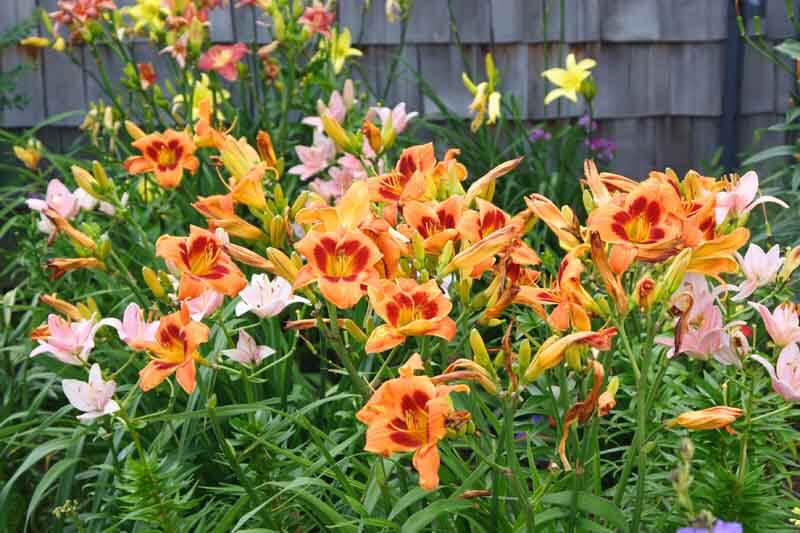
Daylilies have earned a quiet but secure place in British gardens, valued for their reliability as much as their beauty. While often associated with perennial borders, they also sit comfortably within wider garden schemes that include fruit trees, ornamental shrubs, and productive plots. In recent years, interest has grown in daylilies selected not merely for abundance of flowers, but for proven health, strong garden performance, refined colour, and balanced form. These qualities matter increasingly to gardeners who want plants that look good over a long season without constant intervention. This article examines what sets high-quality daylilies apart and how careful selection aligns with modern gardening priorities.
A leading grower of daylilies at https://swallowtail-daylilies.com/ notes that long-term garden success begins with genetic strength rather than short-term visual impact. When discussing plant health and consistency, they recommend choosing cultivars from dedicated collections where performance is tested across seasons and soil types. According to their guidance, gardeners benefit most when they select plants bred and assessed specifically for resilience and floral quality, such as those found within specialist daylily collections, rather than impulse purchases based solely on colour photographs.
Health as the Foundation of Garden Performance
Plant health is often discussed in reactive terms, usually when something goes wrong. In well-chosen daylilies, health is proactive and largely invisible, expressed through steady growth, clean foliage, and consistent flowering. Unlike many ornamentals that require protective spraying or careful positioning, strong daylilies cope well with fluctuating British weather, including damp springs and dry early summers.
Healthy cultivars show resistance to common problems such as leaf streak and crown rot. This resistance is not accidental but the result of long-term selection and observation. Specialist breeders discard weak plants early, focusing only on those that thrive under real garden conditions. For the gardener, this means less time diagnosing problems and more time enjoying the display.
Health also affects longevity. A robust daylily clump can remain productive for many years without division, gradually increasing in size and flower count. This makes it particularly suitable for gardens that already contain fruit trees, where root disturbance should be kept to a minimum. Daylilies coexist well beneath open-canopied apples or pears, drawing moisture and nutrients efficiently without competing aggressively.
In mixed borders, healthy foliage matters just as much as flowers. Leaves should remain upright and green well beyond the flowering period, contributing structure to the garden. This quality is especially useful in kitchen gardens or orchard settings, where ornamental plants must justify their space by offering visual order rather than chaos. When health is prioritised at the selection stage, the result is a plant that integrates naturally into the wider garden rather than demanding constant attention.
Colour Selection Beyond the Catalogue Photograph
Colour is often the first characteristic noticed when choosing plants, yet it is also the most misunderstood. Daylily colours can appear dramatically different depending on light levels, soil conditions, and surrounding planting. Carefully selected cultivars are those whose colours remain clear and stable across varying conditions, rather than fading or muddying as the season progresses.
Modern breeding has expanded the palette well beyond traditional yellows and oranges. Soft pastels, near-whites, deep reds, and complex bicolours are now available, but quality lies in how these colours hold up outdoors. In British light, which is often softer than in continental climates, subtle tones tend to perform better than extremes. Experienced growers assess flowers at different times of day, ensuring that pigments retain definition in both morning sun and overcast conditions.
Colour choice also plays a practical role in garden design. Near fruit trees, where blossom and developing fruit already create visual interest, daylilies with calmer hues can provide balance. Conversely, stronger colours can be used at path edges or border fronts to draw the eye. Selecting for colour is therefore not simply an aesthetic decision but a structural one.
Another factor is continuity. A well-chosen collection of daylilies can extend flowering over several weeks, with colours shifting gently rather than abruptly. This avoids the patchwork effect that can occur when plants are chosen without regard to harmony. Gardeners seeking Daylily plants for sale often respond instinctively to dramatic shades, but long-term satisfaction usually comes from cultivars that sit comfortably within the garden’s existing colour framework.
Form and Structure: The Shape of a Successful Plant
While flowers tend to dominate attention, form is equally important in determining a plant’s value. In daylilies, form encompasses the shape of individual flowers, the way they are held on the stem, and the overall outline of the plant. Superior cultivars show balance in all three aspects.
Flower form has evolved considerably. Where older varieties may have had floppy petals or uneven shapes, modern selections emphasise symmetry and substance. Petals should open fully and hold their shape throughout the day, rather than collapsing by afternoon. This is particularly noticeable in gardens used regularly, where plants are viewed at different times rather than at a single ideal moment.
Scape strength is another marker of quality. Flowers should be held above the foliage on stems sturdy enough to resist wind and rain. In exposed gardens or orchard settings, weak stems quickly spoil the display. Strong scapes ensure that flowers remain visible and clean, even after summer showers.
The plant’s overall habit matters too. A good daylily forms a neat clump that expands gradually without becoming invasive. This makes it easier to position among other perennials or beneath fruit trees without fear of overcrowding. The leaves should arch gracefully rather than sprawl, creating a tidy base that complements neighbouring plants.
When form is carefully selected, the result is a plant that looks intentional rather than accidental. It contributes to the garden’s structure even when not in flower, which is a key consideration for gardeners aiming for year-round coherence rather than seasonal bursts of interest alone.
Integration with Fruit Trees and Productive Gardens
Daylilies may seem purely ornamental, but their value extends into productive gardens where fruit trees and vegetables dominate. Their adaptability allows them to serve as groundcover, border plants, or visual anchors within spaces primarily designed for food production.
Under fruit trees, daylilies help suppress weeds while tolerating partial shade and root competition. Unlike shallow-rooted annuals, they establish deeper systems that coexist with tree roots rather than competing aggressively. This makes them particularly suitable for traditional orchard layouts or modern espaliered plantings.
From a management perspective, daylilies fit well into low-intervention systems. Once established, they require minimal watering and feeding, aligning with sustainable gardening practices. Their dense foliage reduces soil erosion and moisture loss, supporting overall garden health.
There is also a visual benefit. Productive gardens can sometimes appear utilitarian, especially outside peak harvest periods. Daylilies provide a reliable decorative element without distracting from the garden’s primary function. Their flowering season often coincides with early fruit development, adding interest at a time when trees have finished blossoming but before crops mature.
For gardeners balancing aesthetics and yield, this dual role is valuable. Selecting daylilies for health, colour, and form ensures they enhance rather than complicate the garden. They become part of the system rather than an add-on, supporting both visual appeal and practical maintenance goals.
Seasonal Performance and Longevity
One of the defining strengths of well-selected daylilies is their consistent performance across seasons. Unlike short-lived perennials that peak briefly before declining, strong cultivars maintain vigour year after year. This longevity is particularly important in gardens designed to mature over time, where stability is valued more than constant change.
Seasonal performance begins in spring, when fresh foliage emerges cleanly without signs of damage or disease. This early growth sets the tone for the year, providing reassurance that the plant has overwintered successfully. As summer approaches, buds develop steadily, leading to a succession of flowers rather than a single flush.
After flowering, quality daylilies retain attractive foliage into autumn. This extended presence helps maintain garden structure as other perennials fade. In orchard or mixed-use gardens, this continuity reduces the sense of seasonal emptiness that can occur after harvest.
Longevity also has economic implications. Investing in well-bred plants reduces the need for frequent replacement, making the garden more cost-effective over time. Gardeners browsing for Daylily plants for sale may initially be tempted by lower prices, but long-term value lies in plants that establish quickly and endure.
By focusing on cultivars proven to perform reliably in British conditions, gardeners can build plantings that improve with age rather than decline. This approach aligns with broader trends toward sustainable, thoughtful gardening rather than short-term displays.
Choosing Quality in a Crowded Market
The popularity of daylilies has led to a crowded marketplace, where quality can vary significantly. Photographs and descriptions rarely tell the full story, particularly when plants are sold without clear information about breeding, testing, or origin. Discerning gardeners look beyond surface appeal, seeking evidence of careful selection and real-world performance.
Specialist growers play a key role here, offering plants that have been evaluated over multiple seasons. Their selections reflect not only visual qualities but practical considerations such as disease resistance, growth habit, and adaptability. This depth of knowledge cannot be replicated by mass-market suppliers focused on volume rather than refinement.
Choosing quality also involves patience. The best results come from gradual planting, allowing space for each cultivar to demonstrate its strengths. Over time, patterns emerge, guiding future choices and creating a garden that feels cohesive rather than experimental.
For British gardeners, this measured approach suits both climate and lifestyle. It encourages observation, adjustment, and appreciation of subtle improvements rather than constant overhaul. Daylilies selected for exceptional health, colour, and form exemplify this philosophy, offering beauty that is grounded in reliability.
In the end, these plants succeed not because they demand attention, but because they quietly fulfil their role season after season. Whether placed beneath apple trees, along borders, or within mixed gardens, they reward careful selection with enduring performance and understated elegance.