

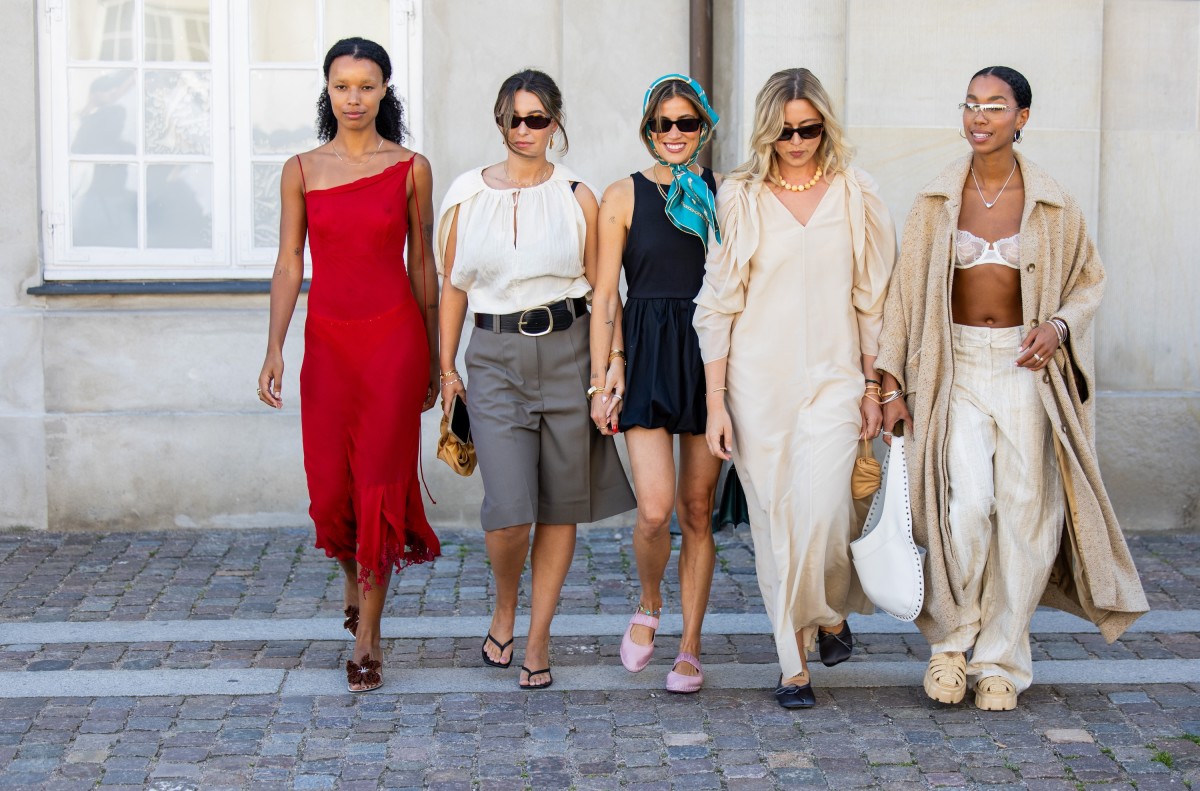
Fashion is more than clothing; it is a powerful form of self-expression, cultural storytelling, and social signaling. From the intricate garments of haute couture to the casual comfort of streetwear, fashion operates at the intersection of art, commerce, and personal identity. The global fashion industry, worth trillions of dollars, reflects evolving trends, societal values, and technological innovations, making it a dynamic field that constantly reinvents itself.
The Historical Evolution of Fashion
Fashion is deeply rooted in history, with its evolution reflecting shifts in culture, economy, and social norms. In the 16th and 17th centuries, clothing was a symbol of status and wealth, with elaborate fabrics and intricate embroidery denoting social class. The Industrial Revolution brought mass production, making fashion more accessible to the broader population and introducing the concept of ready-to-wear clothing.
The 20th century marked a rapid diversification of fashion. Designers like Coco Chanel revolutionized women’s clothing with functional elegance, while icons such as Yves Saint Laurent popularized bold silhouettes and creative expression. The latter part of the century witnessed the rise of streetwear, casual wear, and the global influence of pop culture on fashion trends. Today, fashion is a fusion of heritage, innovation, and individual creativity, making it a continuously evolving dialogue between society and self-expression.
Understanding Fashion as a Form of Identity
Fashion serves as a nonverbal communication tool, allowing individuals to convey their personality, values, and aspirations without uttering a word. The clothing choices we make often reflect:
- Cultural Heritage: Traditional garments such as the kimono in Japan or the sari in India celebrate historical and cultural identity.
- Personal Style: Unique combinations, textures, and accessories express individuality and mood.
- Social Positioning: Fashion can indicate socioeconomic status, profession, or affiliation with subcultures.
Moreover, fashion can empower marginalized groups by providing a medium for visibility and voice. The rise of gender-neutral and inclusive fashion reflects a shift towards authentic self-representation, challenging rigid societal norms.
Key Fashion Segments
Fashion is broadly divided into several segments, each with distinct purposes, audiences, and creative philosophies.
Haute Couture
Haute couture represents the pinnacle of craftsmanship, handcrafted garments tailored to perfection. Typically produced in limited quantities, haute couture pieces are often worn by celebrities and the elite, making them symbols of exclusivity and artistry.
Ready-to-Wear
Ready-to-wear clothing balances design innovation with commercial accessibility. Unlike couture, these garments are produced in standard sizes and widely available. Major fashion houses leverage this segment to bridge creativity and market reach, influencing mainstream trends.
Streetwear
Streetwear emerged from urban culture, skateboarding, and hip-hop influences. It emphasizes comfort, individuality, and cultural references, with brands like Supreme, Off-White, and local designers shaping global youth fashion. Streetwear often blends limited edition drops with a strong sense of community identity.
Sustainable Fashion
Sustainable fashion addresses the growing environmental and ethical concerns in the industry. Using eco-friendly materials, fair trade practices, and responsible production methods, sustainable fashion reflects a conscious approach to style. Brands in this space prioritize transparency, often promoting recycling, upcycling, and zero-waste strategies.
The Impact of Technology on Fashion
Technological innovation is reshaping fashion in multiple dimensions.
- Digital Design Tools: 3D modeling, virtual fitting, and AI-assisted design accelerate creativity and reduce production errors.
- E-Commerce Platforms: Online retail, augmented reality fitting rooms, and social media shopping have redefined consumer interaction with fashion.
- Sustainable Innovations: Advanced materials like lab-grown leather and biodegradable fabrics address environmental sustainability challenges.
- Fashion Tech Wearables: Integration of technology into clothing, such as smart fabrics that monitor health or adaptive temperature control, showcases functional innovation within fashion.
Technology not only enhances the consumer experience but also provides designers with data-driven insights into trends, purchasing behavior, and market demands, ensuring the industry remains responsive and relevant.
Fashion and Culture
Fashion is inextricably linked to cultural trends, societal values, and artistic expression.
- Music and Film Influence: Iconic looks from artists and movies often become mainstream fashion references.
- Political Statements: Fashion can be a medium of protest or advocacy, from the suffragette movement to contemporary climate activism.
- Globalization: Cross-cultural influences have created a fusion of styles, evident in modern streetwear, resort collections, and international fashion weeks.
Fashion functions as a cultural mirror, reflecting collective aspirations while simultaneously influencing lifestyle choices.
Key Trends Shaping Modern Fashion
Several key trends are currently redefining the fashion landscape:
- Gender Fluidity: Breaking traditional gender norms through unisex clothing, inclusive sizing, and neutral silhouettes.
- Digital Fashion: Virtual clothing, NFTs, and metaverse-inspired outfits are emerging as new frontiers in style.
- Minimalism: Emphasizing simplicity, quality, and functionality over excess, appealing to consumers seeking sustainability and longevity.
- Retro Revivals: Nostalgic trends like Y2K, 90s aesthetics, and vintage-inspired pieces continue to influence mainstream fashion.
- Customization: Personalized fashion experiences through made-to-measure garments and bespoke designs are gaining popularity.
These trends highlight a shift from purely aesthetic choices to experiential and meaningful fashion consumption, driven by personal values and technological integration.
The Business of Fashion
Fashion is not just art; it is a multi-trillion-dollar global industry that combines creativity with commerce. Key components include:
- Brand Strategy: Establishing a unique identity, storytelling, and market positioning.
- Marketing and Influencers: Social media and celebrity endorsements are crucial for trend propagation and consumer engagement.
- Retail and Distribution: Balancing brick-and-mortar presence with online platforms ensures accessibility and brand loyalty.
- Supply Chain Management: Efficient production, sourcing, and logistics are vital for maintaining quality and profitability.
The convergence of design, culture, and business strategy determines which trends flourish and which fade, demonstrating that fashion is both an art and a science.
Fashion as a Tool for Empowerment
Beyond aesthetics, fashion can empower individuals and communities:
- Boosting Confidence: Thoughtfully curated clothing enhances self-esteem and professional presence.
- Cultural Representation: Fashion provides a platform for celebrating heritage and challenging stereotypes.
- Economic Opportunities: The fashion industry creates jobs across design, manufacturing, retail, and marketing.
- Social Change: Brands promoting inclusivity and ethical practices influence societal norms positively.
By aligning style with purpose, fashion transcends mere appearance, becoming a medium for social impact.
Challenges in the Fashion Industry
Despite its dynamism, the fashion industry faces several critical challenges:
- Fast Fashion: Mass-produced, low-cost garments contribute to environmental degradation and exploit labor.
- Sustainability Concerns: High carbon emissions, water consumption, and textile waste pose global threats.
- Consumer Pressure: Trends cycle faster than ever, leading to overconsumption and diminished product lifespan.
- Digital Disruption: Brands must continually adapt to e-commerce, digital marketing, and virtual experiences to stay relevant.
Addressing these challenges requires innovation, ethical practices, and consumer awareness to ensure the industry evolves responsibly.
The Future of Fashion
The future of fashion is dynamic, sustainable, and tech-driven. Anticipated developments include:
- AI-Curated Fashion: Personalized recommendations and predictive trend analysis.
- Virtual Fashion Shows: Expanding reach while reducing environmental footprint.
- Eco-Friendly Materials: Lab-grown fabrics, recycled fibers, and biodegradable textiles.
- Interactive Wearables: Clothing that adapts to environmental conditions or user needs.
Fashion will increasingly blur the boundaries between art, technology, and identity, offering experiences that are immersive, inclusive, and meaningful.
Frequently Asked Questions
What defines sustainable fashion, and why is it important?
Sustainable fashion involves ethical production, eco-friendly materials, and responsible consumption. It reduces environmental impact and promotes social equity within the industry.
How does fashion influence personal identity?
Clothing choices reflect personality, cultural background, and values. Fashion acts as a nonverbal language, signaling individuality and social positioning.
What role does technology play in modern fashion?
Technology enables digital design, e-commerce, virtual fitting, and smart textiles, enhancing creativity, efficiency, and consumer experience.
How has streetwear influenced global fashion trends?
Streetwear emphasizes comfort, cultural references, and exclusivity. Its fusion with luxury brands and mass-market appeal has transformed mainstream fashion.
Why is fashion considered a form of cultural expression?
Fashion mirrors societal norms, historical context, and artistic movements. It communicates values, celebrates heritage, and drives cultural conversations.
What challenges does the fashion industry face today?
Key challenges include sustainability concerns, fast fashion overproduction, consumer overconsumption, and the pressure to adapt to digital and technological innovations.
Fashion is not static; it evolves with society, technology, and individual creativity. By understanding its history, cultural significance, and business intricacies, we can appreciate fashion as a vital form of expression, identity, and innovation.