- Whether you’re exploring holistic healing or modern wellness trends, 6 Sigma Healthcare offers well-researched articles to guide your health journey. From disease prevention to mental wellness, the blog covers a broad spectrum of topics aimed at improving everyday well-being with clinical clarity and actionable advice.
- Looking for simple steps to a healthier lifestyle? Be Health LLC shares easy-to-follow tips on fitness, nutrition, and daily wellness routines. Whether you’re battling stress or trying to boost immunity, this blog delivers practical solutions for staying in control of your health.
- Your path to better living starts with knowledge — and Good Health Click delivers it. The blog covers trending topics in diet, exercise, self-care, and preventive health with content that’s accessible, inspiring, and grounded in real-world impact.
- For smart updates in modern healthcare, Healthcare Oxy shares insights on patient care, clinical breakthroughs, and lifestyle transformation. It’s a go-to source for readers interested in the intersection of wellness and science.
- Reclaiming your health doesn’t have to be complicated. Healthe mee delivers clear, motivating content on mental wellness, healthy habits, sleep hygiene, and more — designed to help readers rebuild balance in fast-paced, tech-heavy lives.
- Health is more than fitness — it’s a lifestyle. Health Fit Evo dives into workouts, routines, recovery, and sustainable wellness practices that help individuals feel stronger, live longer, and stay energised across all age groups.
- Whether you’re focused on disease prevention or daily vitality, Health ful ltd brings clarity to wellness. Explore its diverse content on nutrition, supplements, immunity, and stress management for better control over your physical and mental health.
- Built for curious minds and wellness seekers alike, Healthiest Lyf covers topics like gut health, metabolism, and clean living. The blog helps readers build a strong foundation for long-term vitality and resilience.
- If you want practical health advice backed by credible sources, Health Infos Blog is worth bookmarking. It’s an educational platform that offers expert guidance on conditions, symptoms, treatments, and everyday healthy choices.
- Managing your lifestyle is easier with daily wellness content from Health LLJ. The blog discusses a variety of topics like sleep, nutrition, workout consistency, and positive mindset to help individuals optimise their energy and focus.
- True wellness begins with awareness — and Healthy My Lyf offers it in abundance. This blog shares empowering resources for self-improvement, fitness, and inner peace to guide readers toward more fulfilling, conscious living.
- Your health journey deserves reliable guidance, and 1 Rising Health delivers just that. With a mix of expert commentary, personal health stories, and step-by-step wellness guides, it’s a powerful companion for anyone working to feel better, live longer, and thrive naturally.
- From modern treatments to preventive strategies, Alza Healthcare provides a blend of clinical news, fitness routines, and healthy habits. It’s a smart choice for readers looking to understand and own their health decisions.
- If you’re curious about digital health, tech in medicine, or modern wellness hacks, Entras Health is a blog to follow. It brings together innovation and practicality to help readers live smarter, healthier lives.
- Dedicated to improving community health awareness, Gnee Health features clear, educational content around nutrition, illness prevention, and lifestyle enhancement. It’s written for everyday readers who want real results without medical jargon.
- Your health isn’t just about how you look — it’s how you live. Health 1 Proz publishes rich content on mental fitness, cardiovascular health, exercise plans, and more, keeping readers informed, energised, and inspired.
- Make better wellness decisions every day with insights from Health Coch. This blog blends personal care, fitness education, and emotional well-being topics to guide you through modern living with healthier habits and smarter routines.
- Well-being isn’t a trend — it’s a daily investment. Health Living In helps you build lasting wellness through habit-building, movement, clean eating, and mental resilience. It’s a thoughtful resource for readers ready to make long-term changes.
- Transform the way you think about health with inspiring reads from Health Stalkers. It focuses on self-care, body positivity, immune health, and natural living — delivered in a relatable and motivational tone.
- From busy professionals to stay-at-home parents, Healthty Noww offers quick tips, balanced meal plans, and stress-free wellness routines. It’s the perfect blog for anyone who wants to stay healthy without overcomplicating life.
- Wellness doesn’t have to be one-size-fits-all. Health Wel Zone provides health insights tailored to every lifestyle, from mindful eating to mobility and ageing gracefully, this blog champions inclusive health education for all.
- Fitness meets science at Health X Lines, a blog packed with workout routines, injury prevention tips, and nutritional guidance. Whether you’re a gym-goer or just getting started, it offers value for every fitness level.
- Young adults and teens need relatable health advice — and Healthy Youthh delivers it. With content on body image, emotional balance, school stress, and digital health habits, this blog speaks to youth wellness in a refreshing way.
- Don’t just read about health — act on it. Healthy RKS helps readers form consistent, healthy routines with nutrition guides, workout challenges, and behaviour-based wellness tips that actually stick.
- From managing chronic conditions to staying fit during pregnancy, Healthy Rx Care delivers inclusive wellness advice for all ages. The blog is written by experienced contributors who understand the real-life struggles people face on their health journeys.
- There’s no one-size-fits-all when it comes to feeling your best. The Healthy Wee embraces personal wellness with content that inspires balance — whether that’s through healthy eating, sleep optimisation, or mindful productivity.
- Your go-to for bite-sized yet valuable health insights, Tips Bout Health offers daily reminders and curated tips on physical fitness, diet optimisation, and mental resilience — ideal for anyone seeking fast improvements with lasting results.
- Unical Health is your modern-day wellness guide, offering a fusion of natural remedies, scientific insights, and preventive care strategies. It’s a trusted source for balanced health education that empowers self-care and smart decisions.
- When it comes to informed living, Valuez Healthcare delivers top-notch guidance. With topics ranging from healthcare affordability to healthy cooking and stress relief, it helps readers live well on every level — body, mind, and wallet.
- Health is evolving — and WW Health Online keeps you up to date. Covering nutrition trends, global wellness movements, and lifestyle medicine, this blog is ideal for readers who want a worldwide view of modern health topics.
You May Like
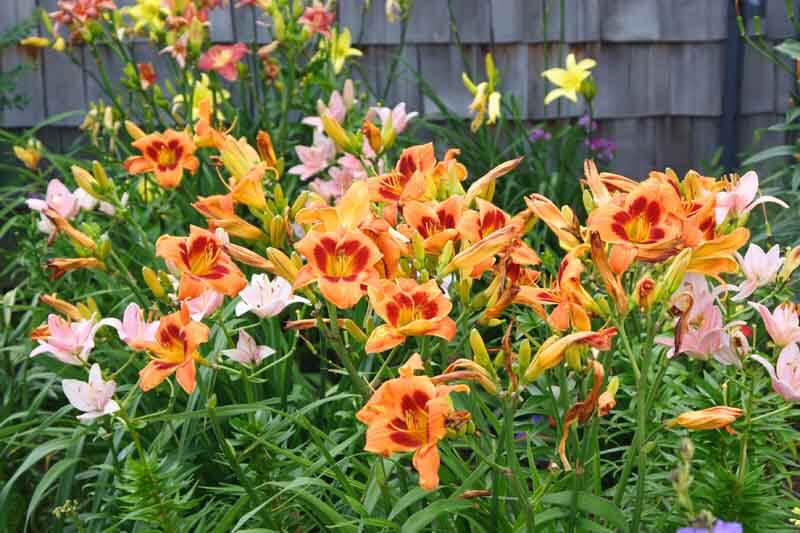
Daylilies Selected for Exceptional Health, Colour, and Form
January 28, 2026